




Featured Supermarket POS Hardware Components
Engineered to eliminate retail queue bottlenecks, deliver exceptional durability under 24/7 continuous operations, and streamline cashier workflows.
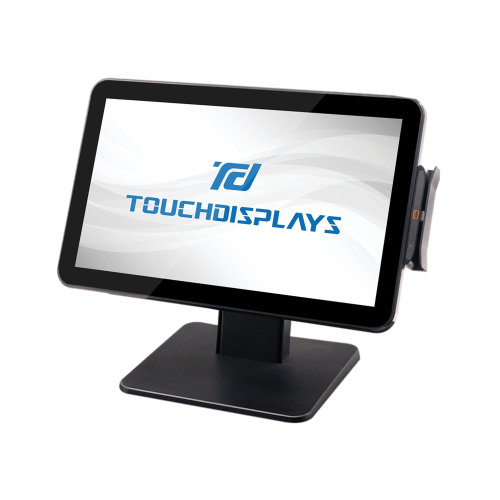
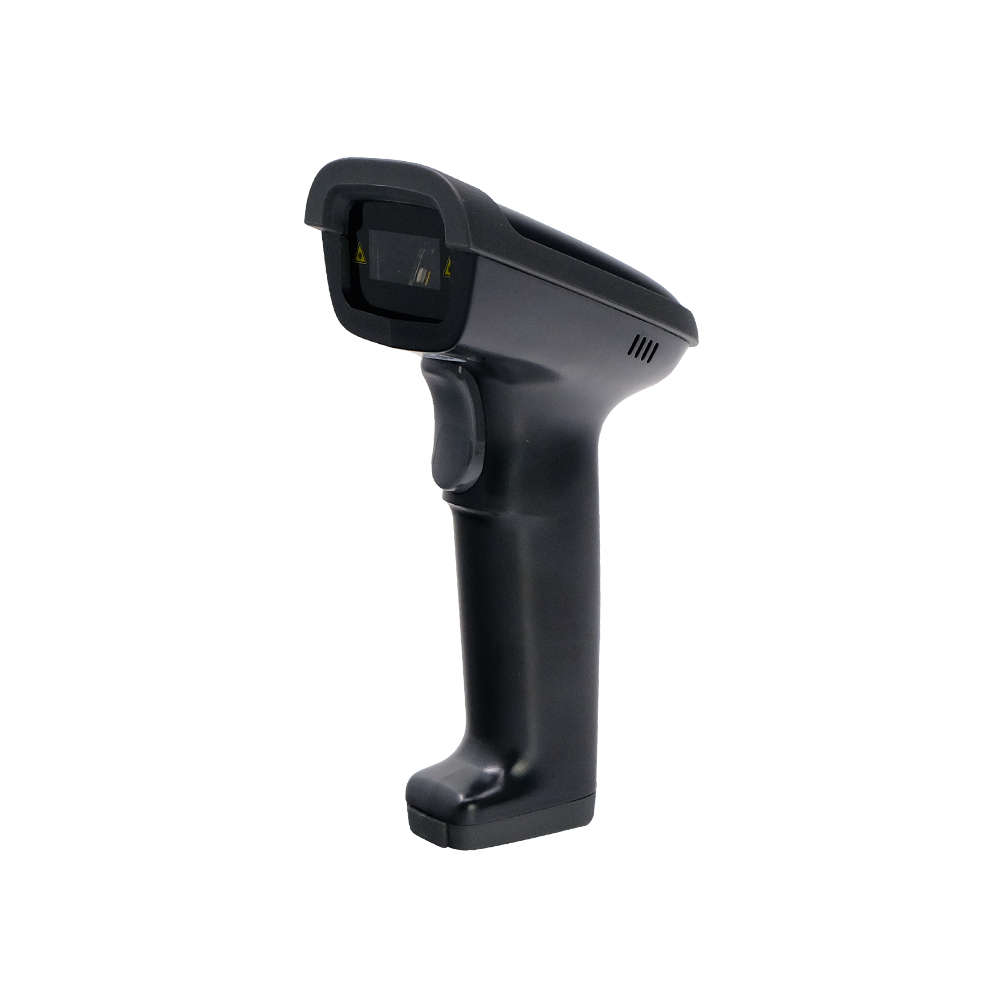
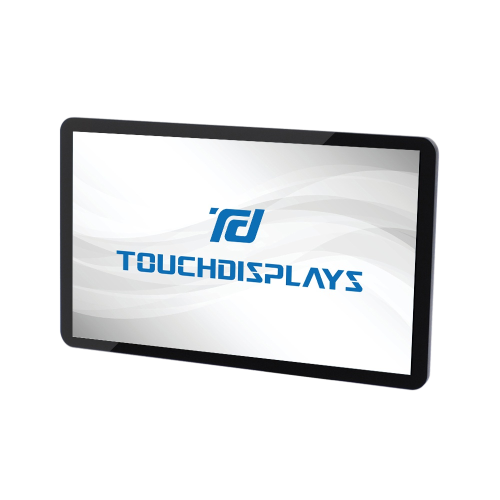
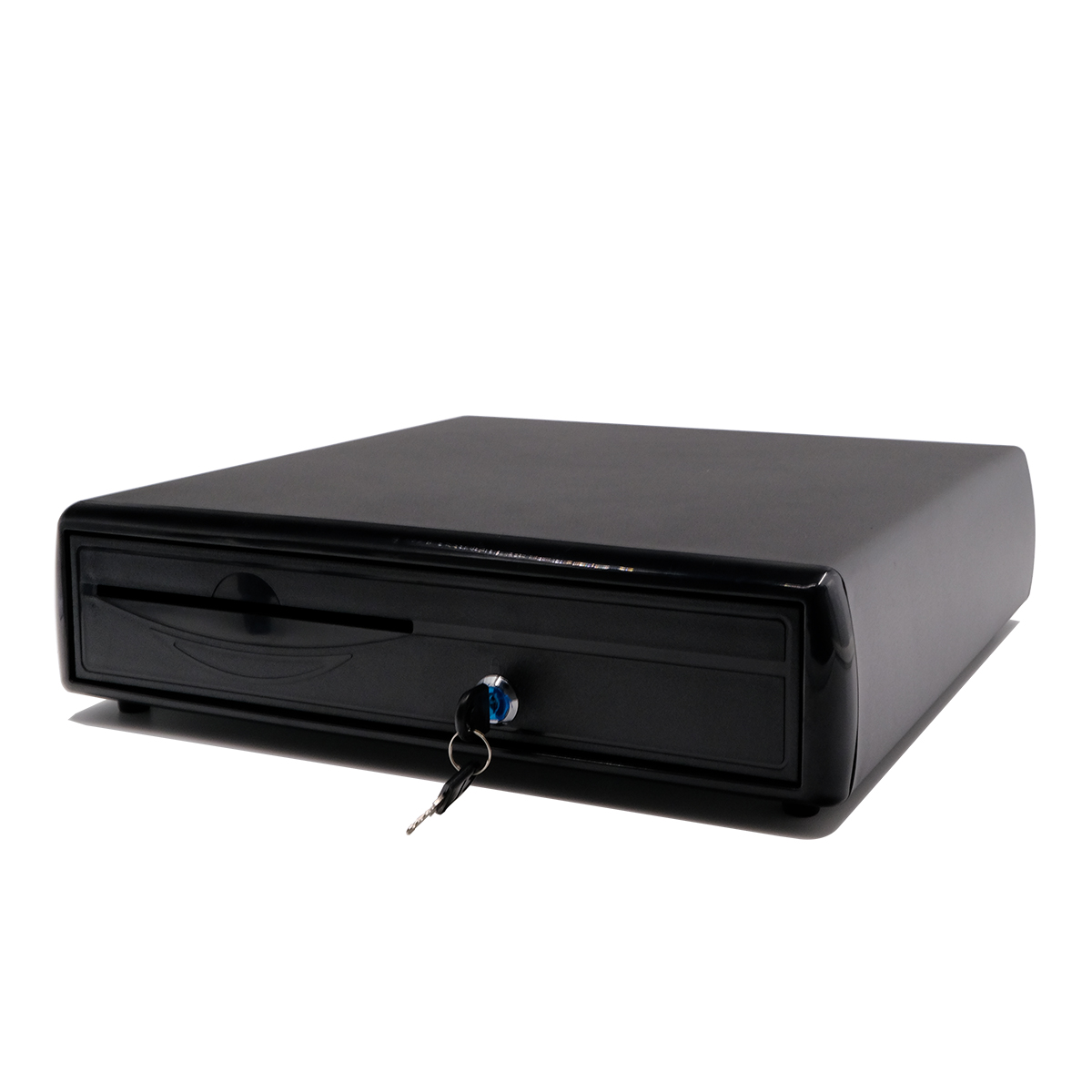
The Modern High-Volume Supermarket Ecosystem
Understanding the severe hardware demands and continuous throughput requirements of modern multi-lane enterprise supermarkets.
In high-density retail environments such as hypermarkets, discount grocery chains, and wholesale club superstores, point-of-sale systems are not merely cash registers—they are the critical transaction engines that dictate operational profitability and brand reputation. During peak weekend trading hours or promotional flash events, a typical tier-1 supermarket lane handles upwards of 80 to 120 checkout transactions per hour, processing tens of thousands of stock-keeping units (SKUs) daily. Under these relentless operating conditions, terminal latency, thermal throttling, touch-sensor unresponsiveness, or unexpected peripheral connection drops result in instantaneous customer queue congestion and direct revenue loss.
Industrial statistics indicate that every additional 5 seconds of delay at checkout increases customer abandonment likelihood by up to 14%. Furthermore, modern supermarket POS computers are tasked with heavy multi-threaded background computing loads: executing real-time inventory reconciliation, processing dynamic loyalty coupon algorithms, driving dual customer-facing displays with targeted digital marketing media, and handling secure EMV/NFC biometric payment handshakes simultaneously. Standard commercial consumer PCs simply cannot withstand the electrostatic discharge (ESD), ambient food grease, spilled liquids, continuous vibration, and unconditioned power fluctuations common to grocery retail checkout lanes.
Zero-Latency Continuous Processing
High-volume supermarket terminals require high-performance multi-core processors (such as Intel® Core™ i3/i5/i7 platforms) paired with high-bandwidth NVMe storage to ensure sub-millisecond barcode lookup across local databases exceeding 100,000 active grocery SKUs.
Industrial IP65 Sealed Ingress Protection
Fresh produce moisture, accidental beverage spills, raw meat juice condensation, and continuous sanitization wipes require true-flat, bezel-less touch displays certified with IP65-rated front panels that completely isolate delicate internal electronics.
Rich Multi-Peripheral Connectivity Matrix
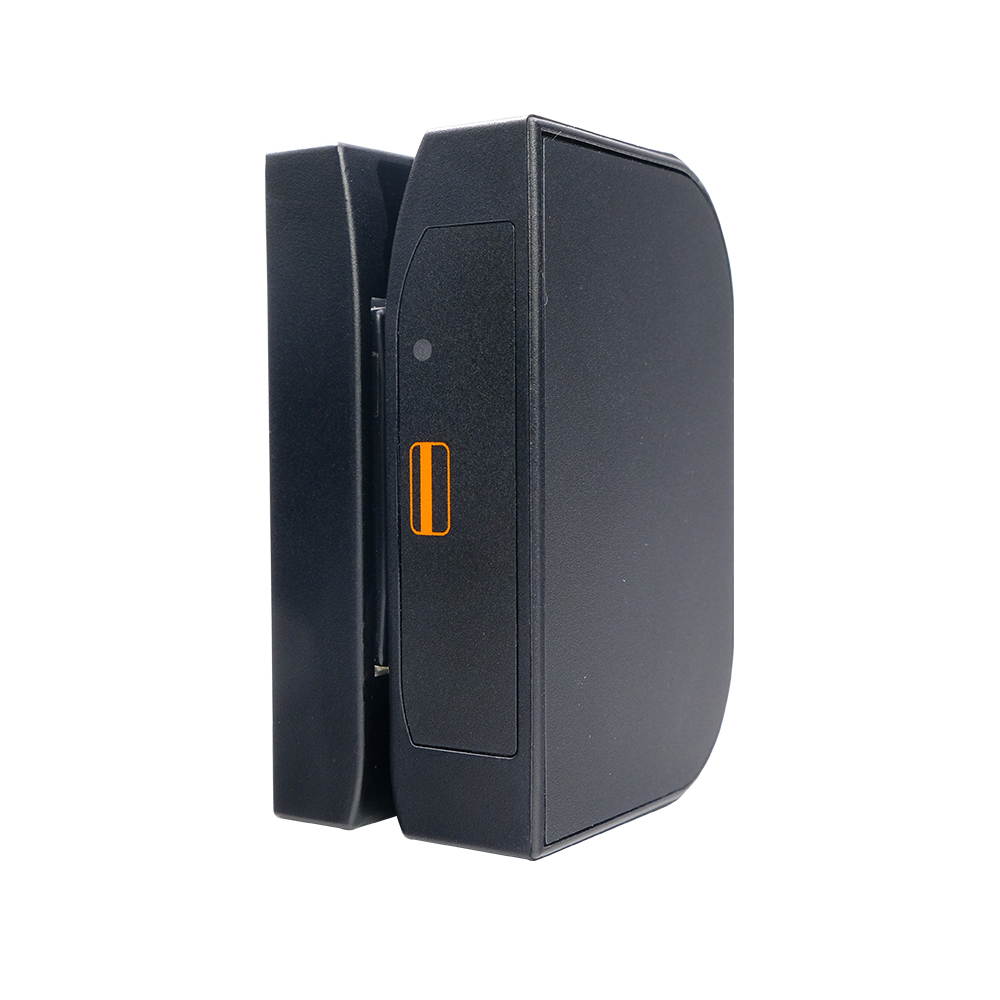
Enterprise supermarkets rely on complex periferal hubs: bi-optic scale scanners, heavy-duty electronic cash drawers, payment EFT-POS PIN pads, thermal receipt printers, MSR/RFID readers, and overhead computer-vision cameras operating simultaneously without IRQ conflicts.
Hardware Architecture Engineered for Demanding Supermarket Lanes
Selecting the optimal POS computer for high-volume supermarkets requires a thorough examination of thermal dissipation mechanics, touch sensor endurance, motherboards designed for longevity, and peripheral bus architectures. Unlike standard retail shops where a terminal is used intermittently, supermarket checkouts operate between 14 to 24 hours per day, 365 days a year. TouchDisplays designs specialized all-in-one touch terminals and industrial box computers that address these exact operational constraints.
1. Advanced Projected Capacitive (PCAP) 10-Point Multi-Touch
Supermarket cashiers interact with touch screens tens of thousands of times per shift. Traditional resistive touch screens suffer from membrane wear, calibration drift, and diminished optical clarity over time. TouchDisplays incorporates high-grade 10-point Projected Capacitive (PCAP) touch sensors shielded by 7H scratch-resistant tempered glass. This architecture allows swift, glove-compatible, and wet-finger gestures without misclicks or surface degradation, maintaining rapid input cadence even when cashiers handle cold chain refrigerated groceries or moist produce.
2. Passive Fanless Heat Dissipation vs. Forced Air Systems
In busy grocery environments, airborne flour dust, produce debris, packaging fibers, and humidity constantly circulate around checkout lanes. Traditional POS terminals with internal motorized cooling fans continuously suck in these airborne contaminants, leading to fan-bearing failure, thermal heat trap accumulation on heat sinks, and catastrophic motherboard burnout. TouchDisplays implements advanced fanless architecture built within heavy-duty aluminum die-cast heat-dissipation chassis. Heat is silently drawn away through thermal conduction plates directly into the structural casing, ensuring completely silent operation, zero dust accumulation, and an extended Mean Time Between Failures (MTBF) exceeding 50,000 continuous operating hours.
3. Comprehensive I/O Interface Density
Supermarket checkout belts integrate an extensive array of industrial serial and USB peripheral hardware. TouchDisplays POS terminals provide an exhaustive array of I/O ports including Powered USB (12V/24V options), multiple Native COM (RS-232) ports with 5V/12V selectable power on pin 9 (crucial for integrated scale-scanners and pole displays), RJ11/RJ12 Cash Drawer ports, Dual Gigabit LAN ports for network redundancy, and secondary HDMI/VGA video outputs to power high-definition customer-facing multimedia displays.
| Key Parameter | Commercial Office PC / Basic POS | TouchDisplays High-Volume Supermarket POS |
|---|---|---|
| Touch Sensor & Surface | Resistive / Low-grade Capacitive (3H Glass) | True-Flat 10-Point PCAP (7H Tempered Anti-Scratch) |
| Thermal Engineering | Active Fan Cooling (Pulls Dust & Grease) | Industrial Fanless Aluminum Die-Cast Conductive Chassis |
| Front Ingress Protection | Non-sealed (IP20 - IP30) | Full IP65 Front Waterproof & Dustproof Seal |
| Continuous Daily Duty Cycle | 8 - 10 Hours / Day intermittent | 24/7/365 Continuous Heavy Grocery Lane Throughput |
| I/O Interface Support | Standard USB only; No Powered COM | Multiple Powered COM (5V/12V), RJ11/12, Dual LAN, Cash Drawer |
| Product Lifecycle Support | 12 - 18 Months (Frequent PCB revisions) | 5 - 7 Year Industrial Road Map & Supply Continuity |
Emerging Trends: AI-Powered Supermarket Checkouts
How next-generation POS computers are driving edge intelligence, computer vision recognition, and autonomous hybrid lanes in modern retail.
The supermarket industry is undergoing a monumental shift toward automated friction reduction. AI edge computing, smart item identification, and loss prevention are rapidly converging at the point of sale. High-volume supermarkets are transitioning from standard scanning desks toward hybrid terminals capable of handling both assisted cashier scanning and rapid self-checkout (SCO) modes.
1. AI Computer Vision Produce Recognition: One of the largest operational slowdowns in grocery retail occurs when cashiers or shoppers must search through extensive PLU (Price Look-Up) menus to find unbarcoded fresh produce (such as organic apples, exotic fruits, or fresh bakery goods). TouchDisplays POS computers integrated with top-mounted AI optical sensors utilize edge machine learning models to identify produce placed upon the scale in less than 0.2 seconds, automatically suggesting the correct item code with 99.4% accuracy and dramatically cutting transaction dwell time.
2. Edge Video Analytics for Shrink & Loss Prevention: Retail shrink in supermarkets accounts for tens of billions in annual losses globally. High-performance POS hardware now runs edge AI algorithms that cross-verify the weight on scale plates, monitor item pass-through against barcode trigger feeds, and detect non-scanned bottom-of-the-basket items or barcode swapping maneuvers ("sweethearting") in real time before approving customer payments.
3. Dynamic Customer Engagement & Dual-Screen Loyalty: Modern shoppers expect transparent checkout itemization alongside hyper-personalized digital rewards. Dual-screen POS terminals allow the cashier to view the core retail transaction UI on the primary 15.6-inch high-definition screen while the customer-facing secondary display presents real-time receipt lists, item discounts, loyalty QR scans, and targeted promotional multimedia advertisements synchronized with basket contents.
Deep-Dive Supermarket Application Scenarios
Different supermarket departments and store formats present unique physical and operational challenges. A single high-volume supermarket relies on a heterogeneous network of POS terminals tailored to specific environmental strains:
Multi-Lane Cashier Checkouts
High-throughput main belt lanes require ultra-stable all-in-one POS computers paired with bi-optic scales, high-speed thermal printers, and fast magnetic/NFC readers to clear massive shopper queues during evening and weekend peaks.
Fresh Deli, Seafood & Bakery Counters
Moisture, ice melt, flour dust, and raw proteins demand IP65-sealed touch terminals with chemical-resistant glass that allow cashiers to operate with damp hands and withstand aggressive sanitizing agents between food-prep shifts.
Hybrid Self-Checkout & Express Kiosks
Modular touch terminals and compact Mini PCs power compact express checkout kiosks, allowing shoppers with baskets under 10 items to scan, weigh, and pay independently, optimizing store labor distribution.
TouchDisplays Technology focuses on customized touch solution, intelligent touch screen design and manufacturing. As a global supplier of touch products solutions, TouchDisplays offers different solutions in retail, medical, industry, catering, game and gambling, etc. TouchDisplays is stick to control every detail of development, system application design, production, quality control, manufacturing, logistics, parts supply and after-sales service.
VISION

MISSION

POSITION

Manufacturer
TouchDisplays is stick to the role part of being a manufacturer.

Harbinger
TouchDisplays is becoming the leading group of intelligent touch solution.

Genuine
TouchDisplays concentrates on business reputation and sincerity.
Comprehensive Enterprise Supermarket Hardware Portfolio
Explore our complete lineup of touch computers, POS terminals, scanning peripherals, and accessories purpose-built for supermarket and retail environments.
Accelerate Your Supermarket Checkout Velocity Today
Partner with TouchDisplays to engineer custom OEM/ODM touch screen hardware, POS computers, and interactive supermarket checkout solutions designed to scale across thousands of lanes worldwide.
Request Custom Supermarket POS Solution