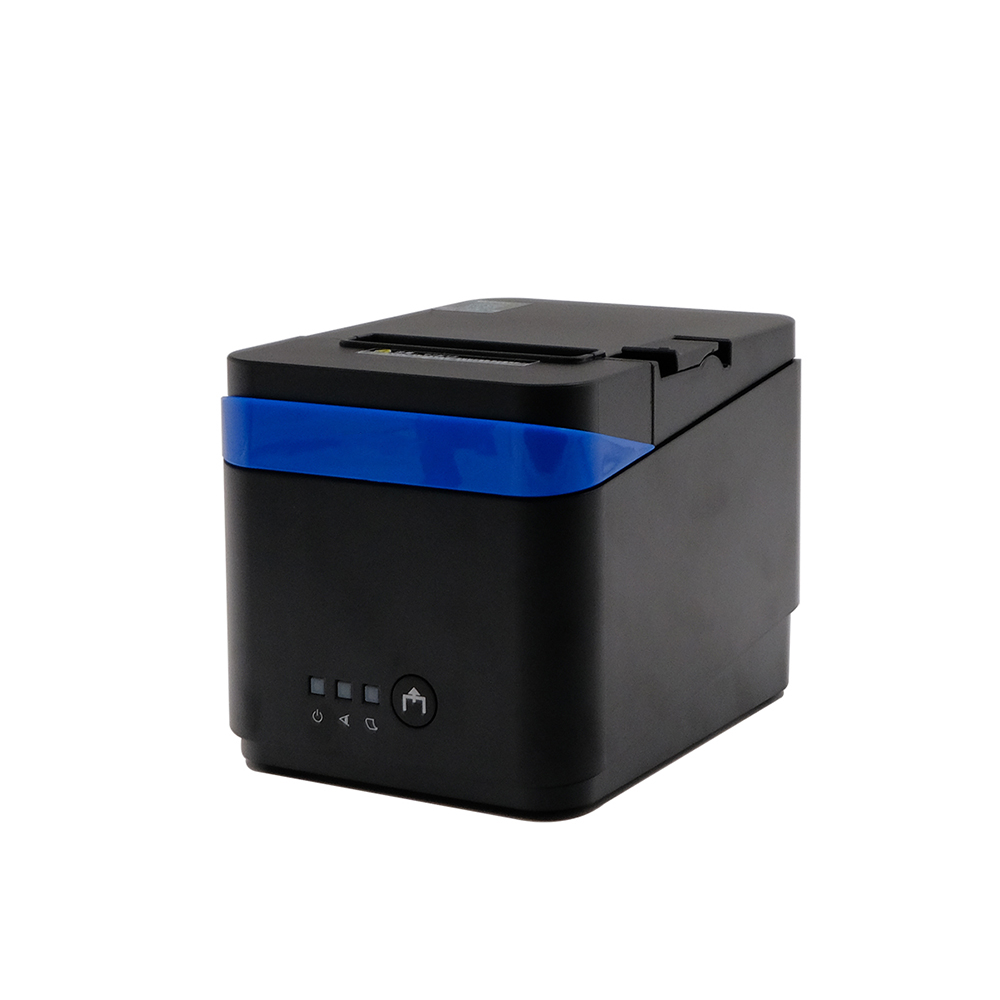




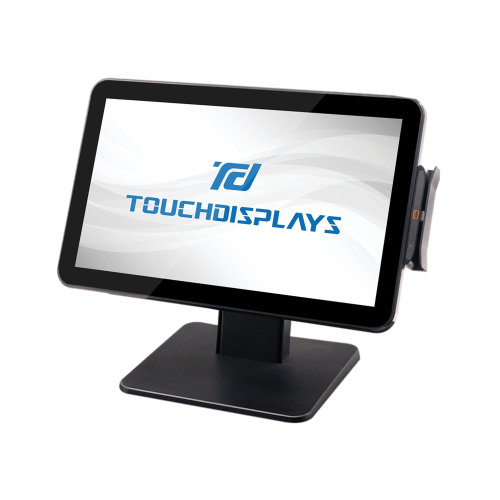
Featured Dual Screen POS Hardware for Campus Bookstores
Engineered for high-volume textbook rushes, student ID processing, and transparent customer-facing interactions.
The Evolution of Campus Bookstore Commerce
Navigating the shift from transactional book depots to vibrant multi-service academic resource centers.
High-Density Peak Demand & Hybrid Retail Complexity
University campus bookstores represent a uniquely complex retail ecosystem. Unlike traditional commercial storefronts, campus bookstores encounter extreme operational surges during seasonal "rush weeks" at the beginning of academic terms, where transaction throughput must scale exponentially without latency.
Simultaneously, the modern university store has evolved beyond physical textbooks into omnichannel hubs carrying licensed athletic apparel, consumer electronics, specialized course materials, digital access codes, laboratory supplies, and convenience café goods.
Industrial Transformation: Implementing robust dual-screen Point of Sale (POS) architecture bridges the gap between complex cashier operations and student-facing interactive transparency, decreasing checkout queue times by over 40% during back-to-school rushes.
Multi-Tender Academic Integration Requirements
Campus bookstore transactions demand seamless integration with university-wide Enterprise Resource Planning (ERP) databases, Student Information Systems (SIS), and financial aid disbursements. Point of Sale hardware must handle diverse payment channels simultaneously:
- Campus Closed-Loop Debit Cards (Student ID Wallets & Dining Dollars)
- Financial Aid Vouchers, Departmental Chargebacks & Grant Allowances
- Textbook Rental Deposits, Buyback Valuations, and Digital Courseware Authorizations
- Standard EMV Contactless, Mobile NFC (Apple Pay/Google Wallet), and Traditional Cash
Architectural Advantages of Dual Screen POS Deployments
Optimized ergonomics, real-time customer feedback, and intelligent edge processing tailored for universities.
Interactive Customer Facing Display (CFD)
The secondary high-definition screen delivers instantaneous itemized billing, pricing breakdowns, and rental agreements directly to the student. Integrated capacitive touch allows immediate on-screen digital signatures for book rentals, financial aid agreements, and paperless e-receipt delivery via email or SMS.
Dynamic Targeted Campus Promotions
When idle or during barcode scanning pauses, the customer-facing display acts as an intelligent digital signage terminal. Campus stores can broadcast announcements regarding upcoming author signings, graduation regalia ordering deadlines, athletic ticket sales, and promotional discounts on campus apparel.
Industrial Durability & High Reliability
Engineered with projected capacitive (PCAP) multi-touch panels, true-flat zero-bezel surfaces, and IP65-rated splash-resistant front enclosures. Built to withstand continuous 24/7 operating cycles, heavy stylus/card tapping, and sanitization protocols across high-traffic academic checkout counters.
Deep-Dive Application Scenarios in Campus Retail
How specialized dual-screen workstations optimize diverse operations across higher education facilities.
Textbook Buyback & Grading Counters
During end-of-term buyback periods, operators evaluate used textbook conditions while students view live buyback market rates, condition assessments, and instant cash/store-credit trade-off calculations on the secondary screen, building immediate institutional trust.
Campus Tech Store & Service Desk
For high-value authorized campus computer stores and IT helpdesks, dual screens enable students to review warranty agreements, customized laptop hardware configurations, and repair diagnostic authorizations with crystal-clear visual transparency.
Hybrid Bookstore Café & Grab-and-Go
Modern campus bookshops frequently feature licensed coffee shops. Dual touch terminals allow students to customize beverage orders, redeem campus loyalty points, and select tipping preferences on the customer touch display without physical contact with the staff terminal.
Future Industry Trends: AI-Driven Campus Retail
The convergence of edge AI computing, biometric validation, and automated inventory sync.
AI Visual Recognition & Self-Assisted Scanning
Future iterations of campus dual-screen POS systems are incorporating edge AI vision cameras directly onto the chassis. These cameras automatically identify merchandise—such as campus apparel designs, stationery items, or café baked goods—without requiring manual barcode searches, drastically accelerating the transaction pipeline.
Furthermore, machine learning algorithms analyze historical checkout trends to recommend relevant supplementary academic materials (e.g., study guides, lab kits) on the secondary screen based on the course codes scanned at the primary checkout.
Biometric Identification & Mobile Wallet Integration
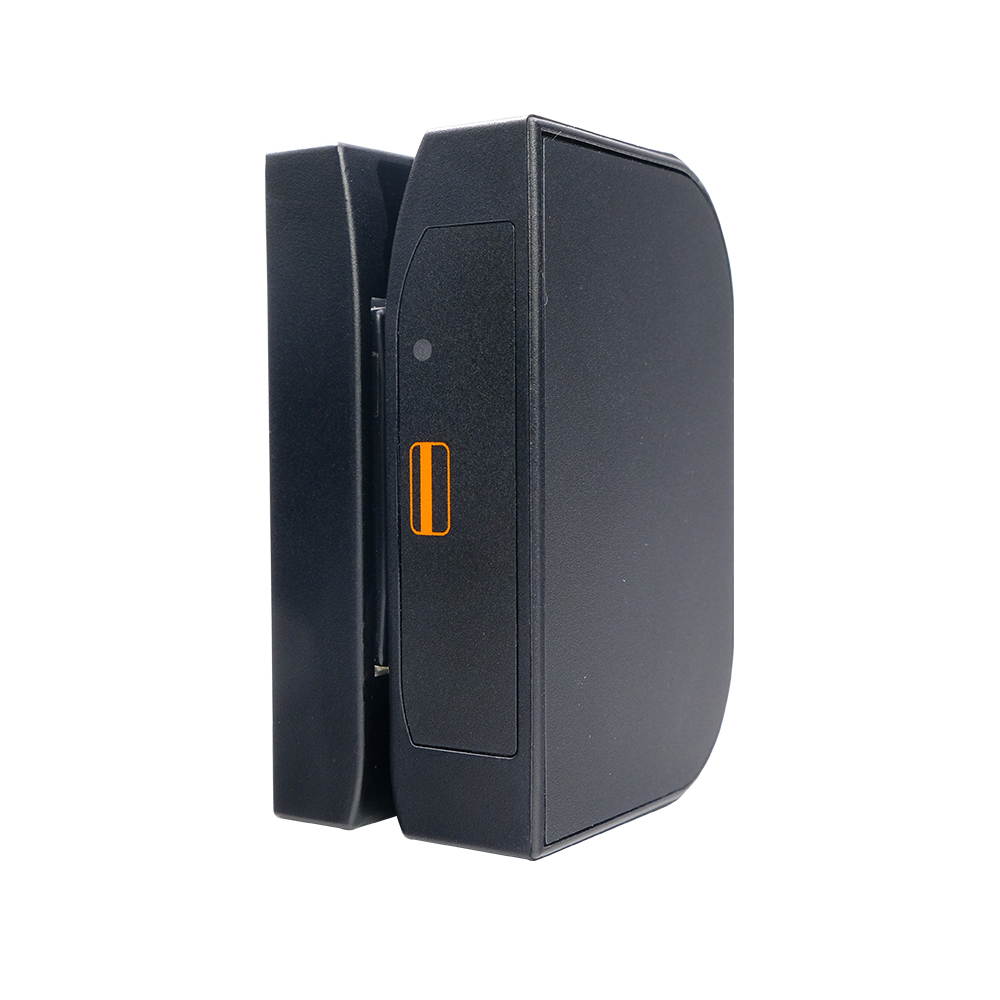
As universities transition toward virtual student credentials stored within Apple Wallet or Google Pay, dual-screen POS terminals are increasingly configured with embedded high-frequency NFC readers, optical QR scanners for dynamic student app payments, and facial recognition authentication for secure faculty budget authorizations.
This integration eliminates physical card wear, minimizes fraud, and ensures that financial aid allocations are spent exclusively on authorized academic materials with automated compliance logging.
VISION

MISSION

POSITION

Manufacturer
TouchDisplays is stick to the role part of being a manufacturer.

Harbinger
TouchDisplays is becoming the leading group of intelligent touch solution.

Genuine
TouchDisplays concentrates on business reputation and sincerity.
Complete POS & Touch Hardware Product Lineup
Explore our comprehensive portfolio of smart terminals, interactive kiosks, and peripherals for institutional applications.