




Featured Smart POS Solutions for Tokyo Enterprises
Engineered for high-throughput retail hubs in Shinjuku, Ginza, and Akihabara with ultra-responsive capacitive touch and ergonomic modularity.


Commercial & Industrial Dynamics of Tokyo POS Hardware
How the world's most dynamic metropolitan economy is adopting automated point-of-sale infrastructure to tackle operational demands.
The Epicenter of Smart Retail and Digital Transaction Acceleration
Tokyo stands as one of the world's dense commercial landscapes, housing a staggering density of convenience stores (konbini), department stores (depachika), high-frequency izakayas, and tech-forward boutiques across major commercial hubs like Shibuya, Ginza, Marunouchi, and Roppongi. The local Point of Sale (POS) hardware market in the Greater Tokyo Area is experiencing structural transformations propelled by the Japanese government’s digital transformation (DX) initiatives, Ministry of Economy, Trade and Industry (METI) cashless transaction targets, and the ongoing labor transition.
Tokyo's commercial environment imposes strict requirements on POS hardware suppliers and original equipment manufacturers (OEMs). Space optimization is critical: retail real estate in prime Tokyo locations demands ultra-compact footprints, foldable stands, and cable-free aesthetics. Concurrently, multi-payment ecosystem support—ranging from contactless FeliCa-based transit IC cards (Suica, Pasmo) and EMV Contactless chips to Japanese QR codes (PayPay, Rakuten Pay, d-Barai)—demands high flexibility and processing power from point-of-sale terminals.
Precision Engineering
Japanese commercial enterprises enforce strict Mean Time Between Failures (MTBF) tolerances. Terminals must feature industrial-grade fanless cooling, IP65 waterproof surfaces, and seamless thermal regulation.
Multi-Payment Integration
Seamless compatibility with Japanese contactless protocols, FeliCa NFC, barcode scanning engines, and high-speed thermal receipt printers ensures frictionless checkout speed.
AI-Ready Smart Architecture
Integrated Intel and ARM high-efficiency motherboards designed for real-time edge processing, automated self-checkout analytics, and digital inventory synchronicity.
Engineering Trends Shaping Tokyo's POS Hardware Factories & Suppliers
To succeed as a POS hardware supplier or manufacturing partner in Tokyo, hardware solutions must integrate precision mechanics with modern computing platforms. Key development trends include:
| Architectural Dimension | Tokyo Market Requirement | Technological Implementation |
|---|---|---|
| Display & Touch Performance | 10-point Projected Capacitive (PCAP) with anti-glare, anti-fingerprint, and wet-hand operation. | Full-flat IP65 front bezel, 7H hardness tempered glass, optically bonded LCD panels ranging from 9.7 to 21.5 inches. |
| Thermal & Noise Regulation | Zero-noise operation suitable for quiet boutique, dining, and clinical spaces. | Fanless aluminum alloy die-cast chassis serving as a passive heat sink to eliminate dust intake. |
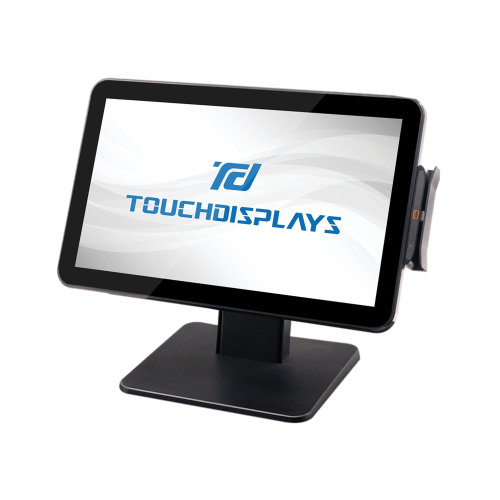
| Modularity & Expandability | Rapid maintenance, modular VESA mounting, and integrated customer-facing displays (dual screens). | Detachable secondary displays (VFD/LCD), integrated MSR/IC readers, foldable bi-directional hinge stands. |
| Regulatory & Quality Compliance | VCCI Class A/B, PSE (Electrical Appliance and Material Safety Law), Telec, and CE/FCC compliance. | Strict burn-in testing, electrostatic discharge (ESD) protection up to 8KV/15KV, long lifecycle components. |
Local Use-Case Deployments Across Metropolitan Tokyo
- High-Speed Quick Service Dining (Izakayas & Ramen Chains): Deployment of dual-screen POS systems and 21.5-inch self-ordering interactive kiosks equipped with multi-language UI (Japanese, English, Traditional/Simplified Chinese, Korean) to cater to massive international tourist flows and reduce wait times.
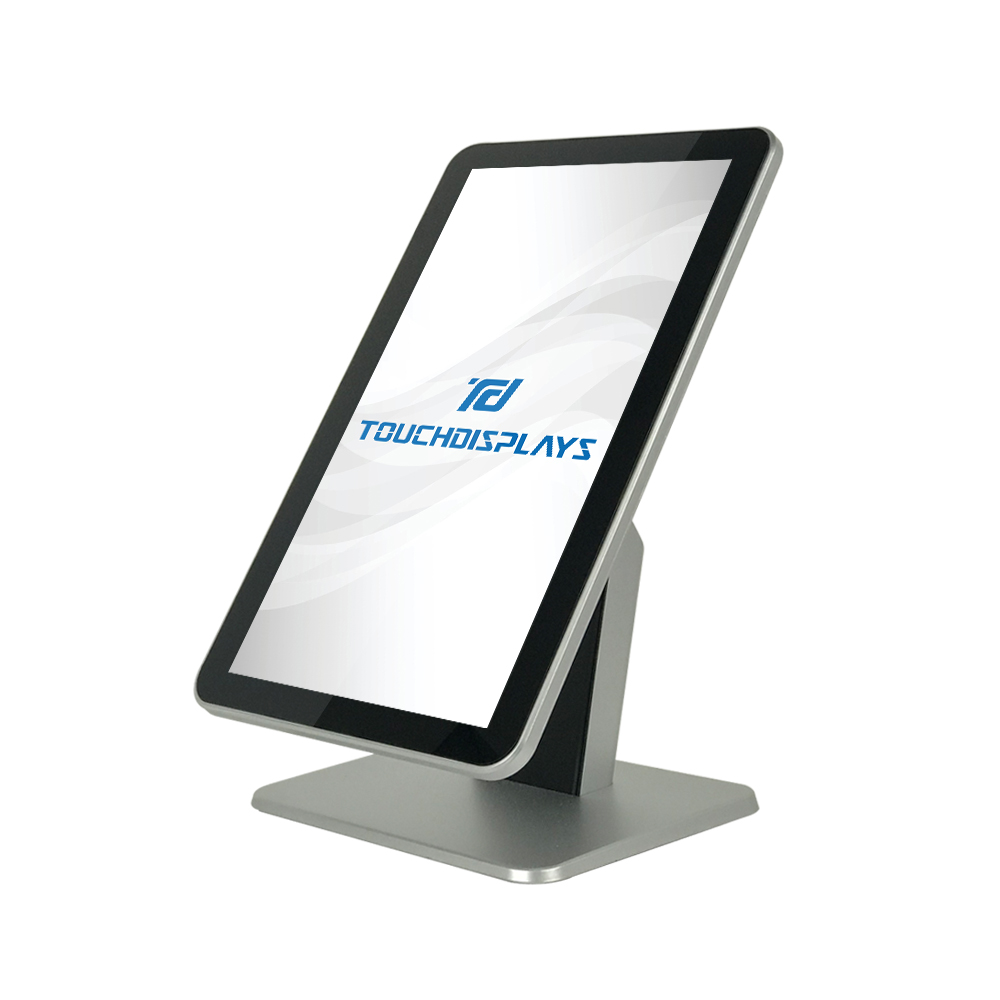
- Boutique Retail & Specialty Stores in Harajuku & Ginza: Ultra-slim 15.6-inch foldable terminals that maintain the minimalist interior architectural aesthetic while delivering fast cloud POS synchronization.
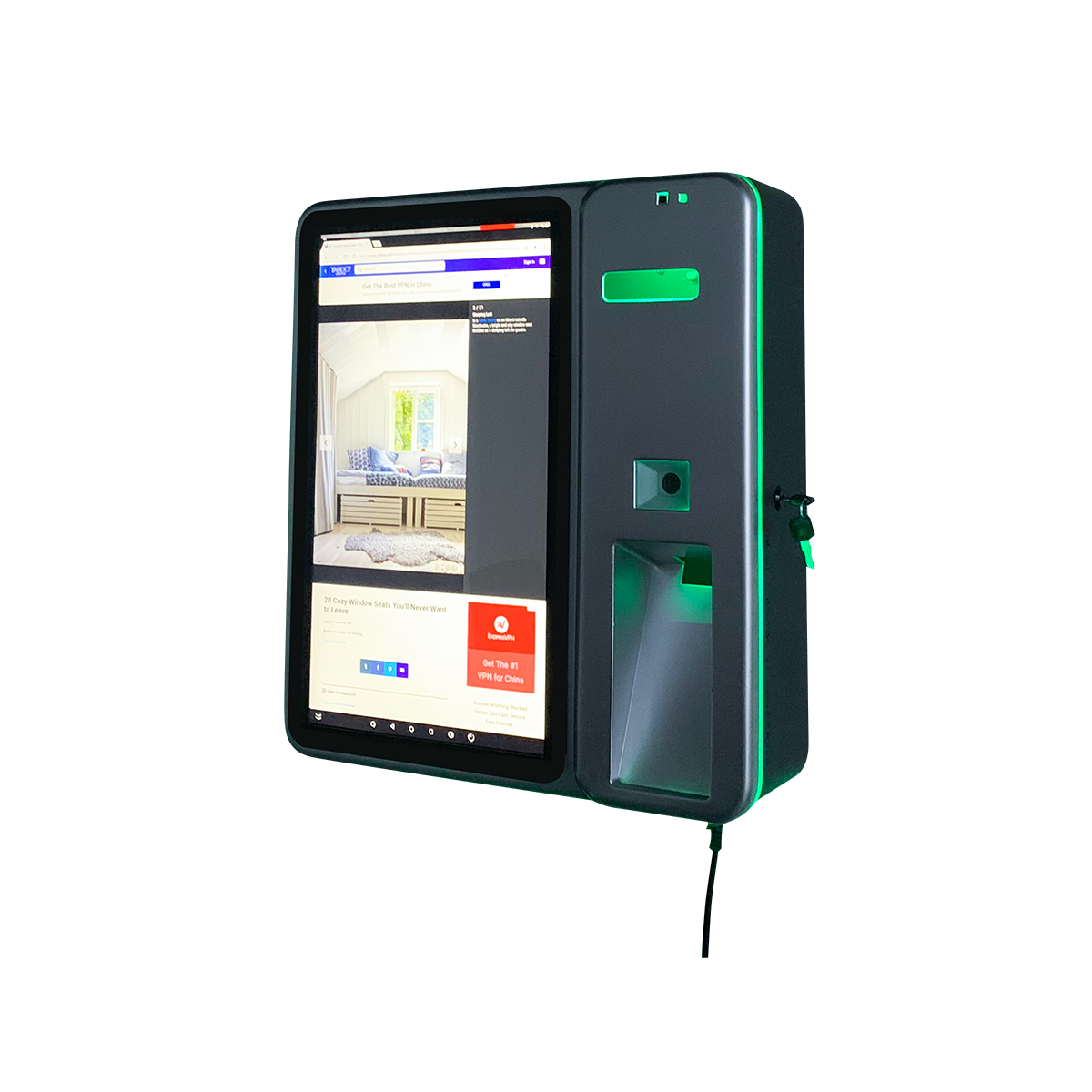
- Clinical, Pharmaceutical & Unmanned Transit Hubs: Touch monitors and portrait-oriented interactive kiosks used for patient automated reception, ticket issuance, and contactless billing.
TouchDisplays Technology focuses on customized touch solution, intelligent touch screen design and manufacturing. As a global supplier of touch products solutions, TouchDisplays offers different solutions in retail, medical, industry, catering, game and gambling, etc. TouchDisplays is stick to control every detail of development, system application design, production, quality control, manufacturing, logistics, parts supply and after-sales service.
VISION

MISSION

POSITION

Manufacturer
TouchDisplays is stick to the role part of being a manufacturer.

Harbinger
TouchDisplays is becoming the leading group of intelligent touch solution.

Genuine
TouchDisplays concentrates on business reputation and sincerity.
How to Select the Right POS Hardware Factory for Japanese Deployments
Selecting the optimal POS hardware supplier requires evaluating both hardware performance and manufacturing discipline. Enterprise buyers in Tokyo assess several factors before vendor qualification:
I/O Interface Versatility
Ensure compatibility with legacy serial protocols (RS-232 COM ports for Japanese fiscal scales and coin changers like Glory/Musashi) and high-speed USB 3.0/Gigabit Ethernet for cloud telemetry.
Industrial-Grade Reliability
Components must withstand non-stop 24/7/365 commercial operation in convenience store chains, including robust electrostatic discharge protection and dustproof fanless chassis.
Custom OEM/ODM Engineering
Direct factory customization allows tailoring bezel colors, corporate silk-screening, custom stand geometry, and proprietary mounting brackets for space-constrained Japanese counters.
Whether your roll-out requires slim portrait checkout terminals for self-service grocery environments or heavy-duty dual-screen systems for multi-department retail, working directly with an established manufacturer guarantees low defect rates, consistent component batches, and long-term hardware support.
Comprehensive Commercial Hardware Catalog
Explore our complete lineup of touch displays, all-in-one POS terminals, and interactive kiosks built for global retail, hospitality, and industrial applications.
The Future of Intelligent POS Terminals in Tokyo and Beyond
As Tokyo continues to set the benchmark for global automated retail concepts—from unmanned smart convenience stores in metro stations to AI-assisted dining experiences—the role of POS hardware continues to evolve from simple transactional cash registers into intelligent commercial hubs. Modern touch terminals now aggregate edge-computed customer analytics, real-time inventory synchronization, dynamic digital signage, and omnichannel order queuing.
Through stringent quality control, innovative mechanical engineering, and a sincere dedication to long-term OEM/ODM partnerships, TouchDisplays delivers robust touch solutions and POS hardware that empower system integrators, software providers, and enterprise operators across Tokyo, Japan, and international markets.