




Core POS Hardware Solutions for High-Volume Checkouts
Engineered specifically to eliminate cashier lane bottlenecks, accelerate line throughput, and deliver seamless omnichannel payment processing in heavy-footprint supermarkets.
The High-Throughput Retail Dilemma: Velocity vs. Hardware Stability
High-volume supermarkets, hypermarkets, and wholesale warehouse clubs operate in some of the world's most unforgiving commercial transaction environments. During peak operating hours, a single cashier lane must process between 60 to 120 customer transactions per hour, handling thousands of discrete SKUs, continuous conveyor vibrations, liquid spills, erratic electrical supply fluctuations, and relentless capacitive touchscreen taps.
Traditional legacy cash registers based on proprietary firmware or bulky, power-hungry x86 Windows architectures increasingly struggle with total cost of ownership (TCO), sluggish cold boots, unexpected OS update interruptions, and rigid software integration barriers. Today's modern retail landscape demands open-standard agility, instantaneous microservice integration, and intelligent hardware responsiveness.
The emergence of enterprise-grade Android Cash Register systems has fundamentally rewritten supermarket checkout efficiency. By coupling power-efficient multi-core ARM SoCs with open, hardened operating systems, modern enterprise retail operators unlock instant application startup, sub-second barcode decoding synchronization, direct cloud telemetry, and seamless peripheral control.
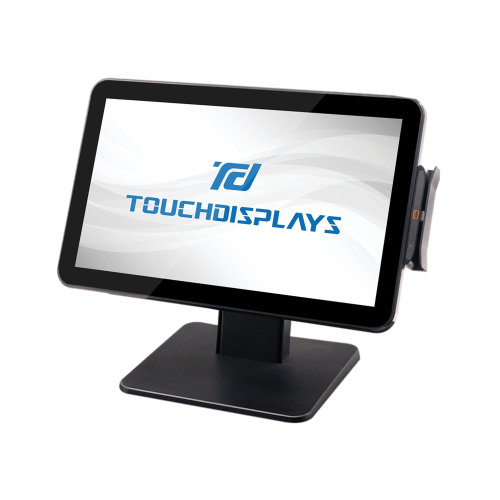
Why Enterprise Android Dominates High-Volume Retail Lanes
A detailed architectural breakdown comparing modern ARM-based Android POS workstations against legacy terminal architectures.
Sub-Second Touch & Transaction Latency
Equipped with high-frequency octa-core ARM processors and optimized Android BSPs, touch event processing happens in under 12 milliseconds. Cashiers scan, tender, and print receipts without input lag, directly shaving 4 to 8 seconds off each grocery cart transaction.
Custom Industrial ROM Hardening
Enterprise Android builds eliminate consumer bloatware and enforce strict kiosk-mode locking, deterministic USB peripheral permissions, automated self-healing watchdogs, and encrypted OTA (Over-The-Air) firmware orchestration across thousands of supermarket nodes.
Radical TCO & Energy Efficiency
Operating at a meager 15W to 25W peak thermal dissipation, ARM-based Android cash registers run entirely fanless. Supermarkets operate 50+ checkout registers continuously while slashing utility bills and preventing dust ingress breakdowns.
Critical Application Scenarios in Modern Grocery Operations
How customized Android touch hardware bridges software intelligence with high-friction physical store checkout operations.
1. AI-Driven Visual Produce Identification & Smart Scale Hookups
One of the most persistent bottlenecks in supermarket throughput is fresh produce entry. Cashiers manually keying in 4-digit PLU codes for apples, citrus, or leafy greens creates human error and checkout latency.
By pairing the Android POS workstation with top-down AI visual recognition cameras over USB 3.0 / MIPI channels, the cash register instantly classifies unpacked produce on the embedded scale within 200 milliseconds. The cashier simply confirms the weight-calculated item with one tap on the Projected Capacitive (PCAP) display, drastically reducing transaction drop-off.
2. Dual-Screen Dynamic Advertising & Real-Time Bill Itemization
Modern high-volume retail environments leverage dual-display architectures—a 15.6-inch primary operator display facing the cashier, paired with a 10.1-inch to 15.6-inch high-definition customer display facing the consumer.
Through Android's native multi-display presentation APIs, secondary screens simultaneously render real-time itemized shopping baskets, targeted promotional video banners based on scanned loyalty membership data, and dynamic QR payment barcodes for instant digital wallet clearance.
3. High-Speed Multi-Peripheral Synchronization (I/O Dominance)
A supermarket checkout lane is an orchestra of synchronized hardware: bi-optic barcode scanners, high-speed thermal receipt printers, electronic scales, multi-currency cash drawers, magnetic stripe / NFC readers, and chip-and-PIN payment terminals.
Industrial Android POS designs incorporate robust physical I/O hubs featuring multiple RS-232 COM ports (providing dedicated serial power), PoweredUSB 12V/24V, RJ11/RJ12 drawer kicks, and dual-band Gigabit Ethernet for uninterrupted failover reliability during intensive peak promotions.
4. Hybrid Transformation: Cashier-Assisted to Autonomous Self-Checkout
Flexibility is vital for managing supermarket labor volatility. Advanced Android touch terminals feature modular VESA mounting and 180-degree reversible rotation hinges.
During high morning surges, terminals function as cashier-manned lanes. During off-peak or late-night shifts, stores pivot the touch head to face the customer, automatically switching the software UI into a self-checkout (SCO) mode with integrated barcode scanning and payment workflows.
Engineering Benchmark: Android vs. Legacy Windows POS
A direct quantitative look at why tier-1 supermarket chains are transitioning from legacy PC boxes to dedicated industrial Android touch registers.
| Operational Benchmark | TouchDisplays Industrial Android POS | Legacy x86 Windows POS Terminals |
|---|---|---|
| Boot & Initialization Time | Instant Cold Boot ( | Slow boot (45 - 90 seconds); frequent background services |
| Operating System Overhead & Licensing | Open-source core; zero per-seat OS licensing fees | High licensing costs; forced periodic OS end-of-life migrations |
| System Thermal Profile | Ultra-low TDP (10W - 20W); 100% fanless passive heat sink | Higher TDP (45W - 95W); active cooling fans prone to dust clogs |
| Touch Response Precision | 10-Point PCAP with anti-glare, anti-fingerprint surface | Often legacy resistive or standard capacitive touch modules |
| Peripheral Driver Handling | Native Linux kernel USB/Serial bindings; no driver collisions | Frequent Win32 driver conflicts and COM port re-indexing errors |
| Fleet Management & MDM | Seamless cloud APK updates, kiosk lock & remote terminal reset | Complex Active Directory or heavyweight SCCM server deployments |
Intelligent Touch Screen Design & Manufacturing
TouchDisplays Technology focuses on customized touch solution, intelligent touch screen design and manufacturing. As a global supplier of touch products solutions, TouchDisplays offers different solutions in retail, medical, industry, catering, game and gambling, etc. TouchDisplays is stick to control every detail of development, system application design, production, quality control, manufacturing, logistics, parts supply and after-sales service.
VISION
MISSION
POSITION

Manufacturer
TouchDisplays is stick to the role part of being a manufacturer.

Harbinger
TouchDisplays is becoming the leading group of intelligent touch solution.

Genuine
TouchDisplays concentrates on business reputation and sincerity.
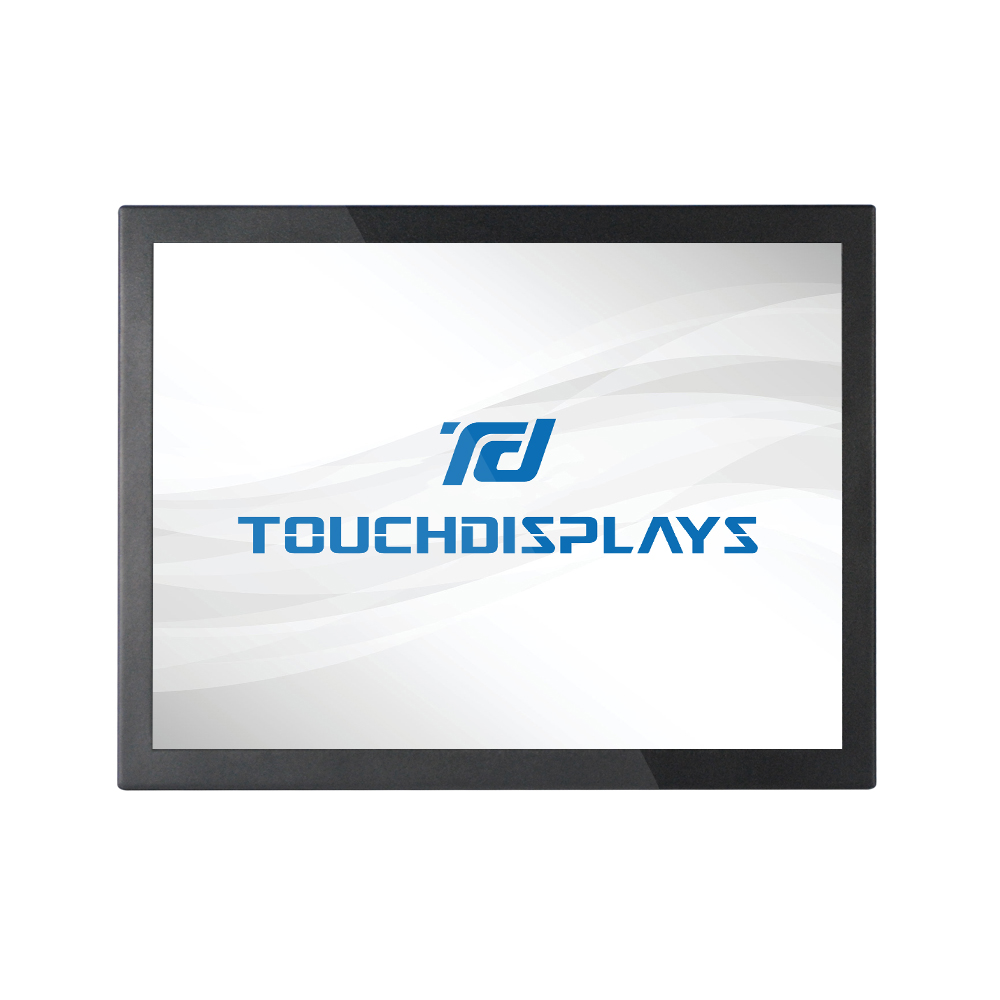
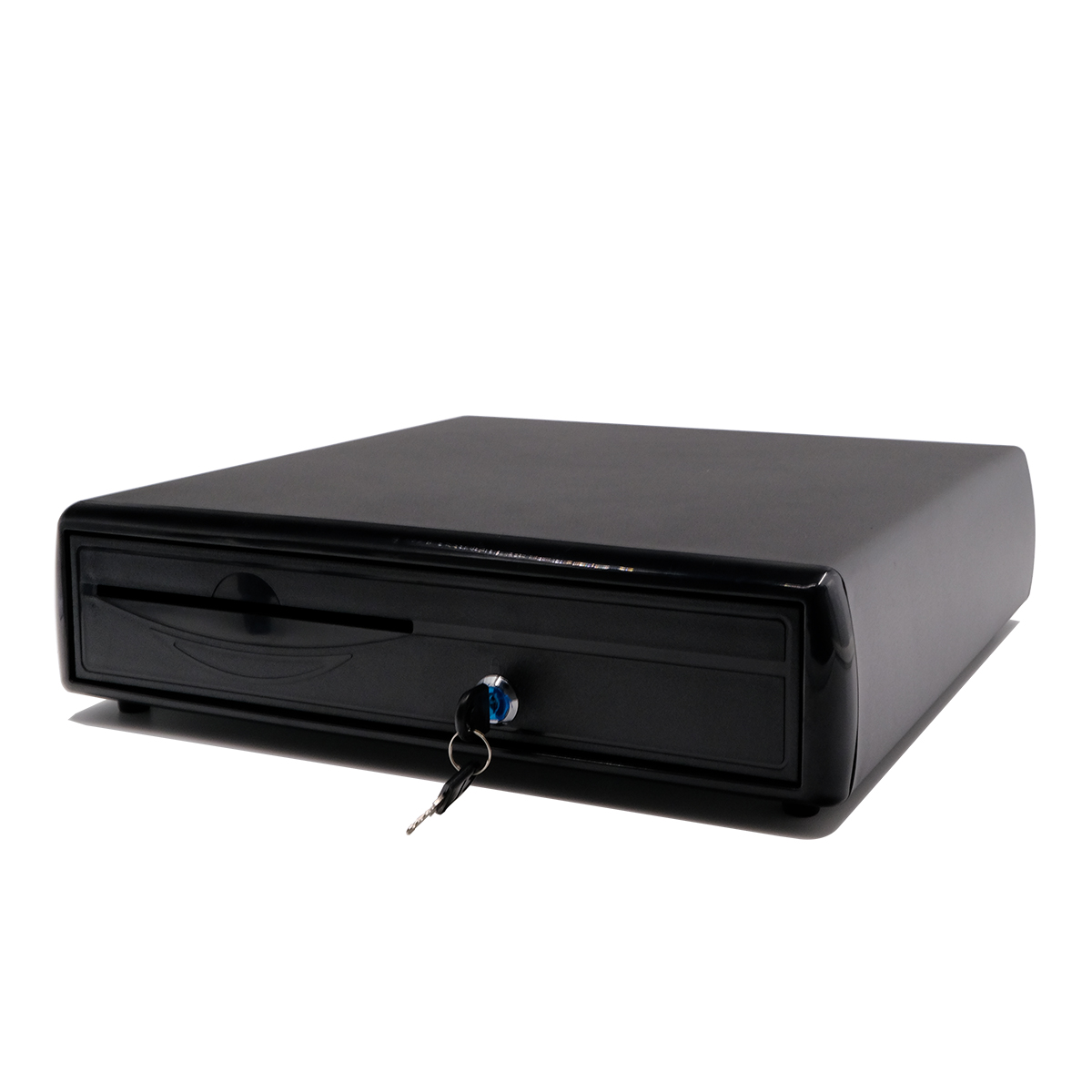
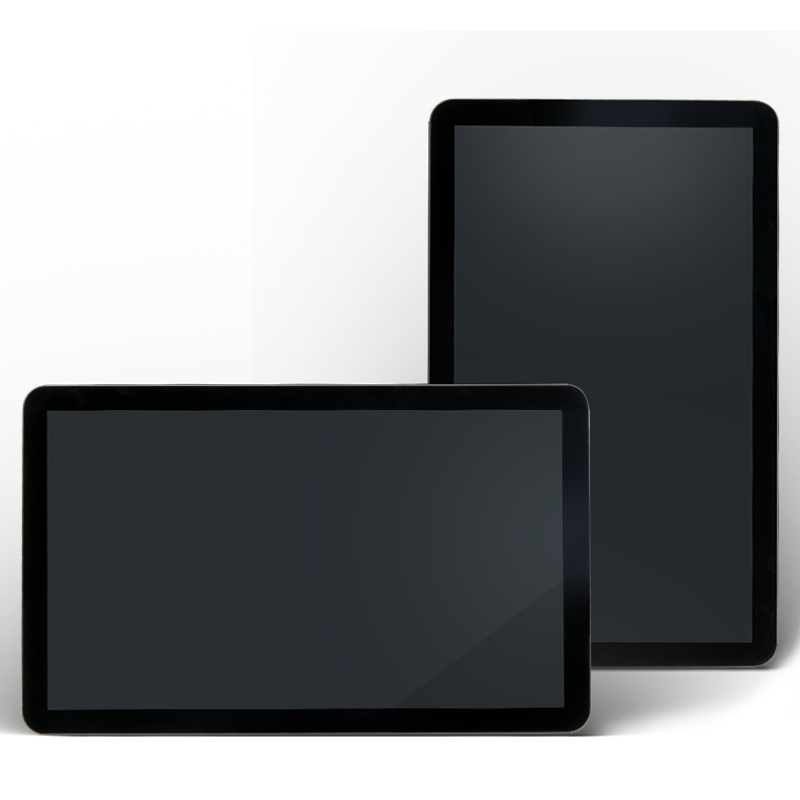
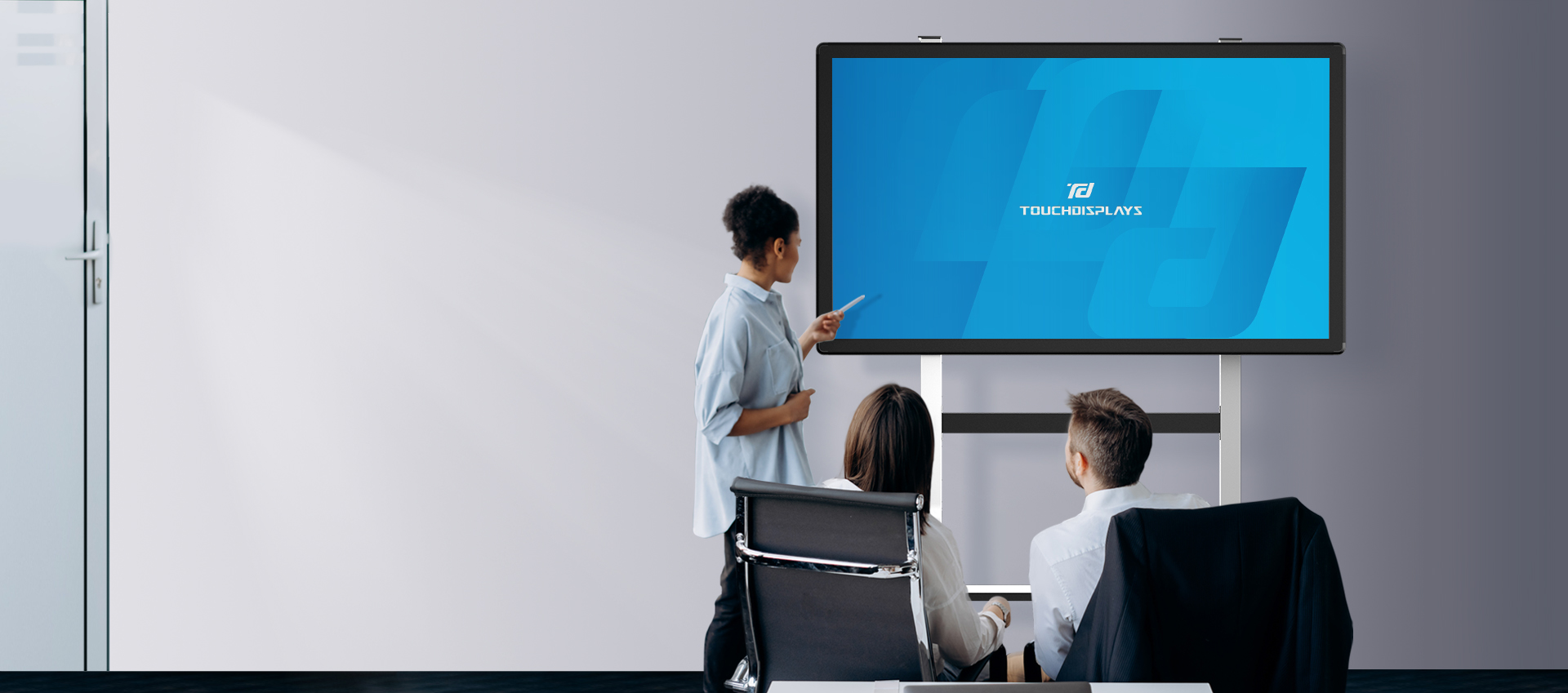
Enterprise Hardware Catalog for Supermarkets & Commercial Retail
Explore our complete range of certified intelligent touch solutions, open-frame displays, barcode peripherals, and secure cash management systems engineered for heavy retail utilization.
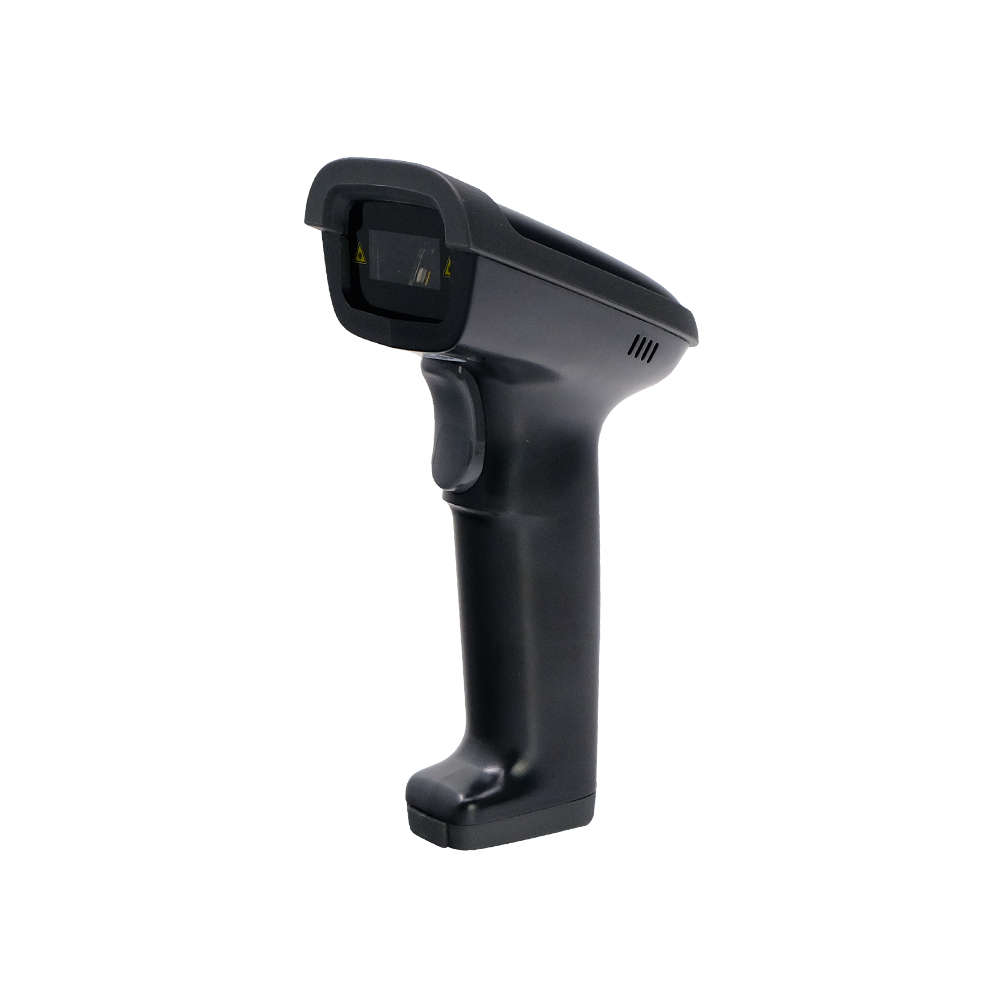

Tailored OEM / ODM Engineering for Global Supermarket Chains
From custom motherboard layout, IP65-rated waterproof touch enclosures, and anti-glare optical bonding to specialized Android kernel development and custom peripheral SDKs, TouchDisplays provides full-lifecycle engineering support to ensure your point-of-sale infrastructure thrives under the heaviest retail demands.